

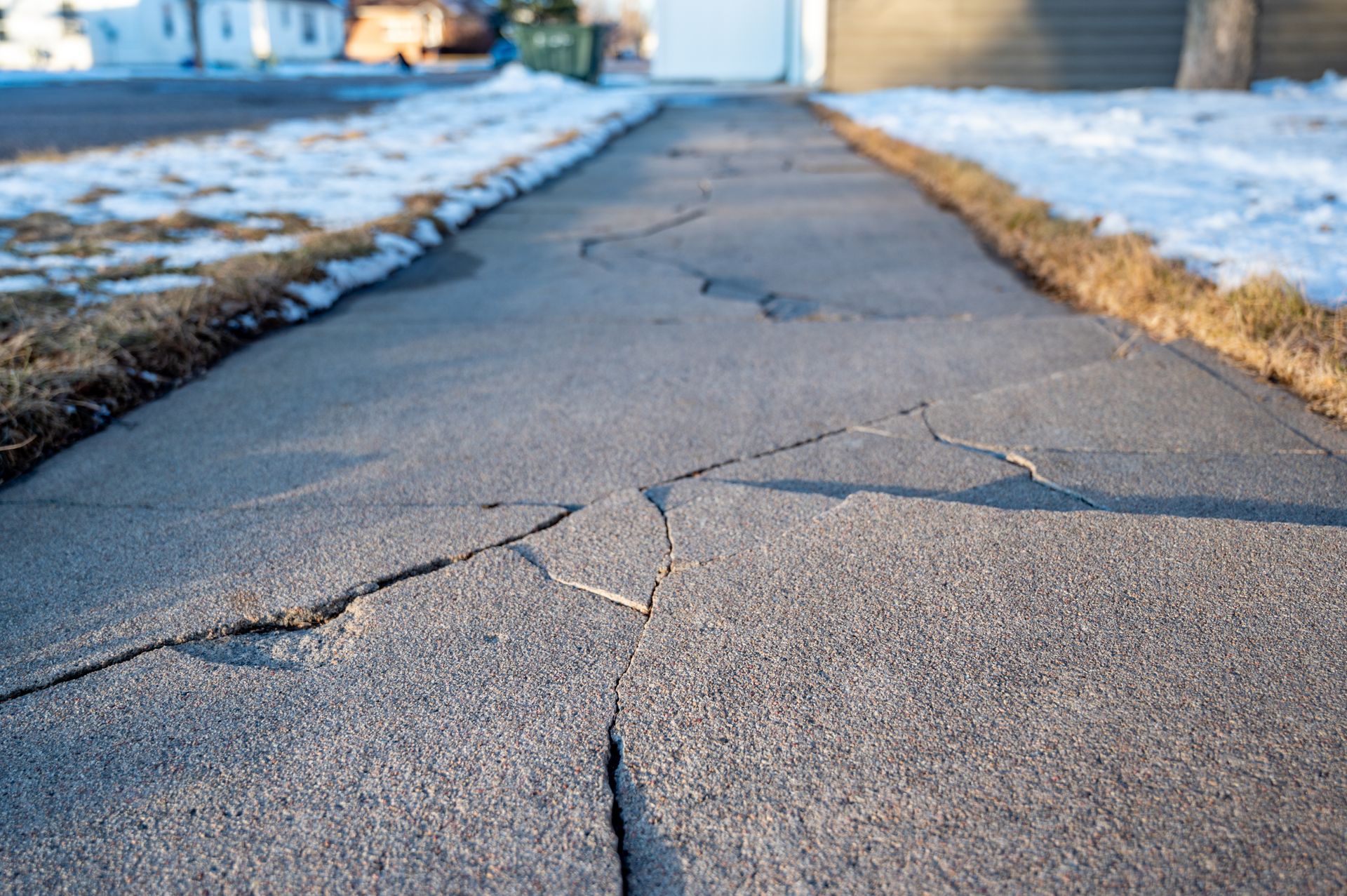
You've done the math. Your backyard patio repair needs about 2 yards of concrete. Maybe it's a cracked sidewalk section, a small garage apron, a post footing repair that got bigger than expected, or a patio extension that only adds a couple hundred square feet. You call a ready-mix supplier. They tell you their minimum is 3 yards or 4, or 5. Some charge a short-load fee that adds $40 to $60 per yard to anything under their minimum, which turns a $350 material order into a $550 one before a shovel hits the ground. Some just won't send a truck at all. So you're left with two bad options: overbuy concrete you don't need or spend a day mixing bags by hand. There's a third option. It's what King Concrete, Inc. was built to do.
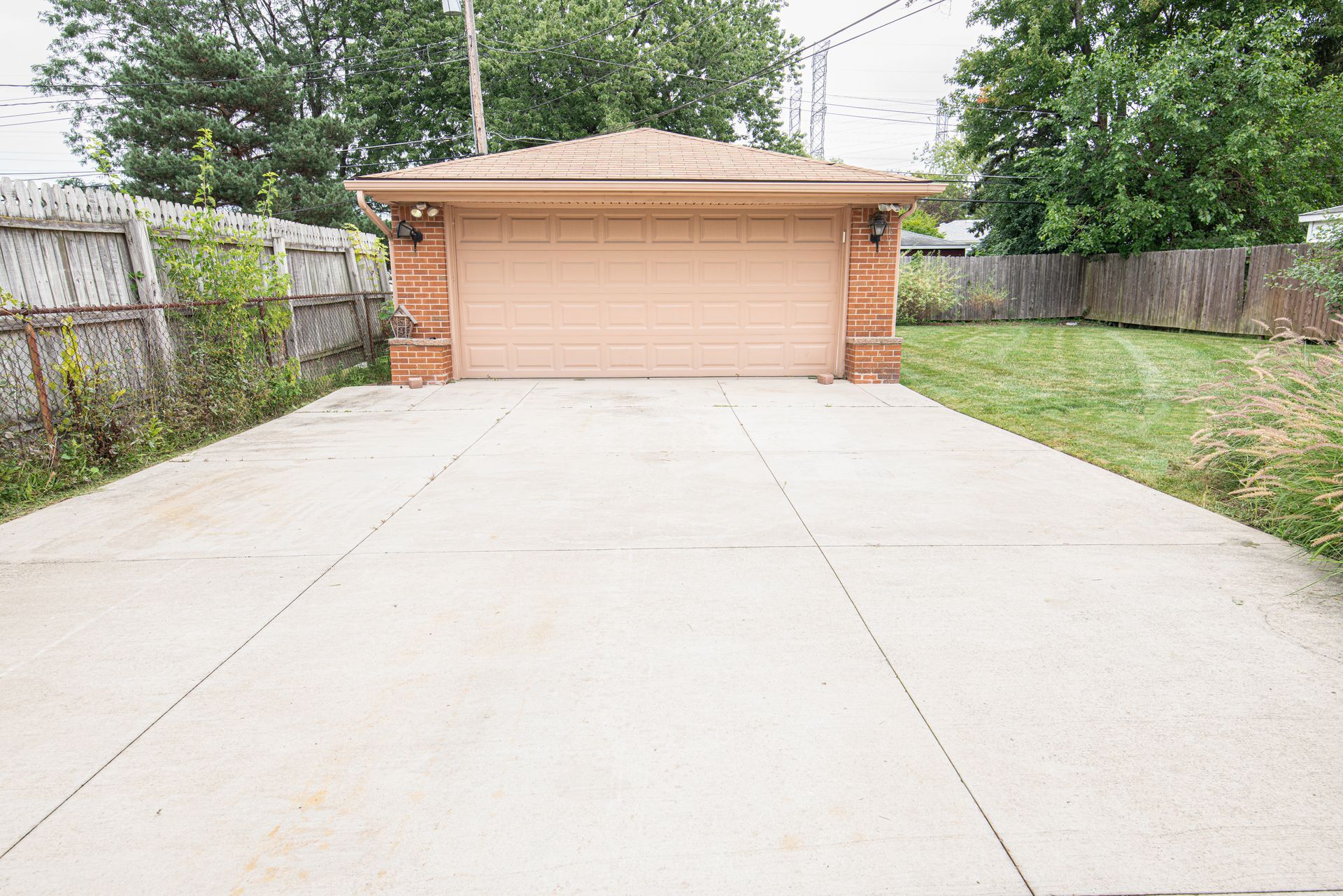
Before you call a concrete supplier or pick up bags at the hardware store, you need one number: how many cubic yards of concrete your project requires. Get it right and you order confidently. Get it wrong and you're either running short mid-pour which forces a cold joint and weakens the slab or paying for material you don't need. This guide walks through the formula, shows real examples for the most common residential pours in the East Valley, and answers the question a lot of DIYers wrestle with: at what point does ready-mix actually make more sense than bagging it yourself? The Formula: Length × Width × Thickness ÷ 27 Concrete is sold by the cubic yard — a cube that measures 3 feet on every side, or 27 cubic feet. The formula to convert your project dimensions into cubic yards is: Length (ft) × Width (ft) × Thickness (ft) ÷ 27 = Cubic Yards The one step people consistently miss: thickness needs to be in feet , not inches. A 4-inch slab is 0.33 feet. A 5-inch slab is 0.42 feet. A 6-inch slab is 0.50 feet. Here's a quick reference:
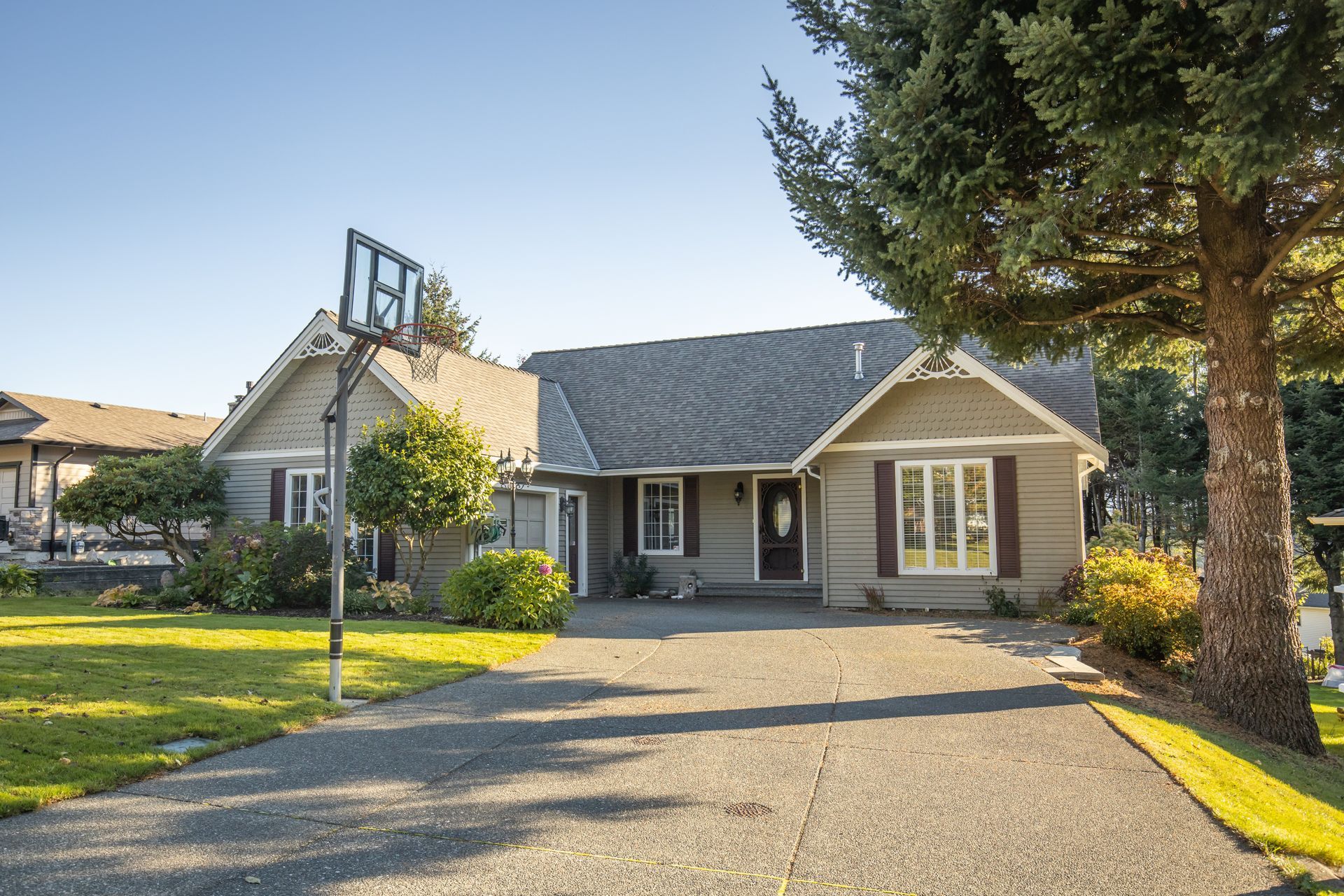
If you're a Mesa homeowner getting quotes on a new driveway — or replacing one that's cracked and heaving after a few Arizona summers — the first question is always the same: how much is this actually going to cost? The national websites will give you a range so wide it's almost useless. This guide is written by King Concrete, Inc., a ready-mix concrete supplier based in Mesa with over 35 years of experience serving the East Valley. We don't pour driveways — we supply the concrete to the contractors who do. That means we see the actual material costs on dozens of residential jobs every month, and we can give you a straight answer. What Does a Concrete Driveway Cost in Mesa, AZ in 2026? For most Mesa homeowners, a standard concrete driveway replacement runs $4,500 to $8,200 installed in 2026. That range covers a typical single or double-width residential driveway from the street to the garage — roughly 400 to 800 square feet — with a broom finish, expansion joints, and standard 4-inch thickness.